
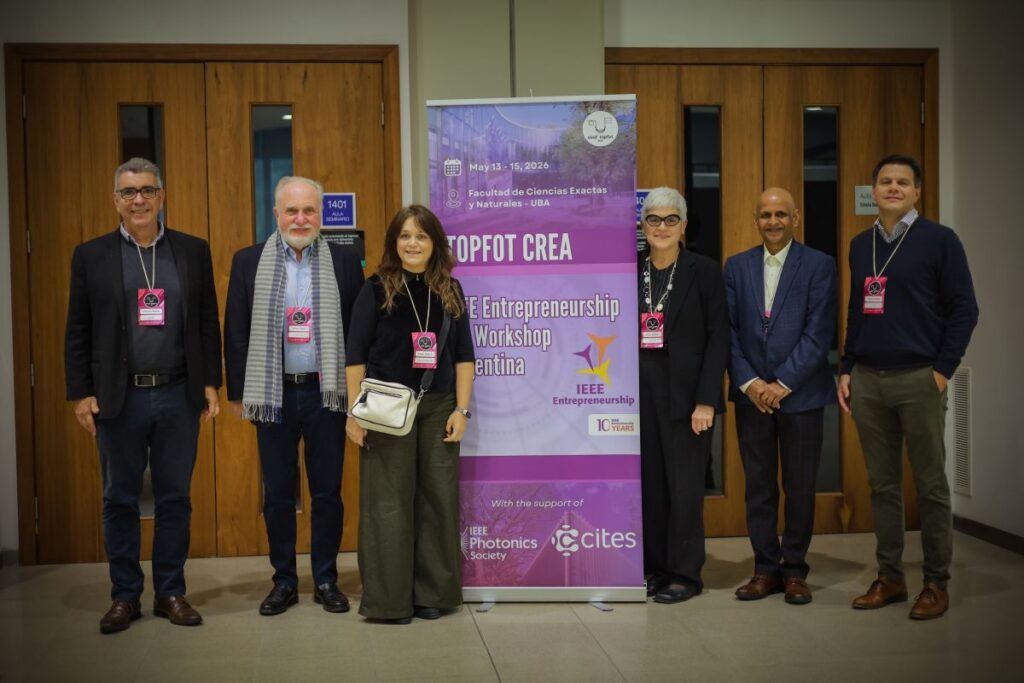
How can photonics research become the next breakthrough in technology? That question took center stage at the XXI Workshop on Optics and Photonics (TOPFOT) and the XVI Meeting of Students in Optics and Photonics (EEOF), held May 13–15, 2026, at the Faculty of Exact and Natural Sciences of the University of Buenos Aires (FCEyN–UBA) in Argentina.
Bringing together approximately 130 students, researchers, and professionals from Argentina, Brazil, and the United States, the three-day event explored the connections between photonics research, entrepreneurship, industry, and technology transfer. Through technical talks, panel discussions, mentoring sessions, and student innovation pitches, participants explored how scientific discoveries can move beyond the laboratory to drive technological progress and societal impact.
The IEEE Photonics Society University of Buenos Aires (UBA) Student Branch Chapter played an active role in supporting the event, with six volunteers contributing to its organization and two chapter members presenting their research.
Connecting Photonics Research With Industry
Organized annually alongside TOPFOT by the Young Argentine Optics and Photophysics community (JOFA), EEOF provides undergraduate and graduate students with opportunities to present research, exchange ideas, discuss scientific challenges, and build connections within the optics and photonics community.
This year’s edition placed a special emphasis on photonic industry, entrepreneurship, and technology transfer, highlighting pathways for translating scientific results into technological innovation and meaningful societal impact.
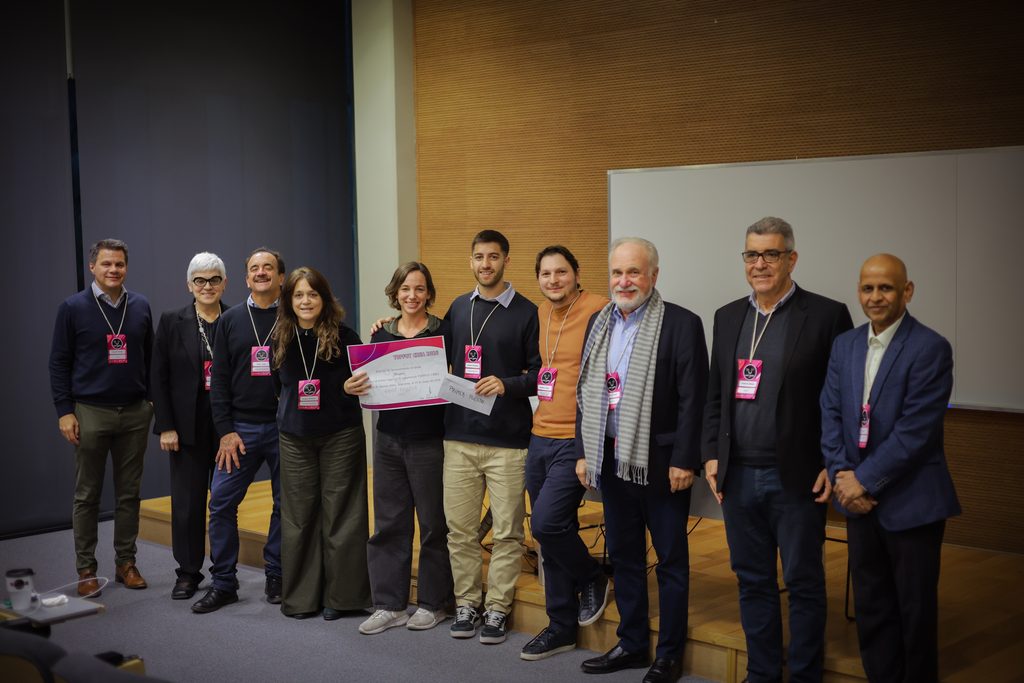
The program featured technical talks, panel discussions, training sessions, poster presentations, and the TOPFOT CREA competition, which challenged student teams to develop and pitch innovation-oriented photonics projects. Mentoring sessions and evaluations by experts in entrepreneurship, innovation, and technology transfer provided participants with practical guidance and feedback throughout the project development process.
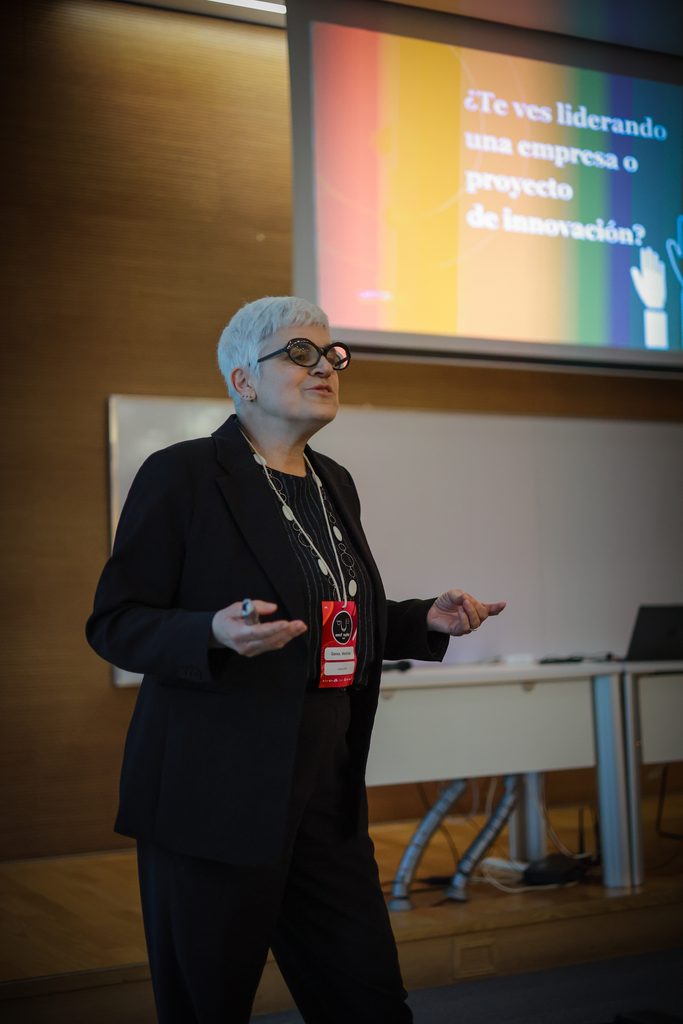
Speakers and mentors from academia, industry, and the entrepreneurial ecosystem offered diverse perspectives on the opportunities and challenges of bringing scientific research into the marketplace. Contributors from organizations including CITES and IEEE Entrepreneurship played an active role in training and evaluation activities, helping students explore pathways from research and development to real-world applications.
The event was organized in collaboration with the Faculty of Exact and Natural Sciences of the University of Buenos Aires, Universidad Tecnológica Nacional (UTN), CITES, IEEE Entrepreneurship, OPTICA, SPIE, and RedOPT. This broad collaboration brought together institutions working across optics, photonics, innovation, and technology transfer.
Student Volunteers Strengthen Community Engagement
Six IEEE Photonics Society volunteers from the UBA Student Branch Chapter actively supported event organization and logistics, including coordination activities and coffee-break preparation. The chapter advisor also served on the local organizing committee, helping strengthen the chapter’s involvement in this national-scale initiative.
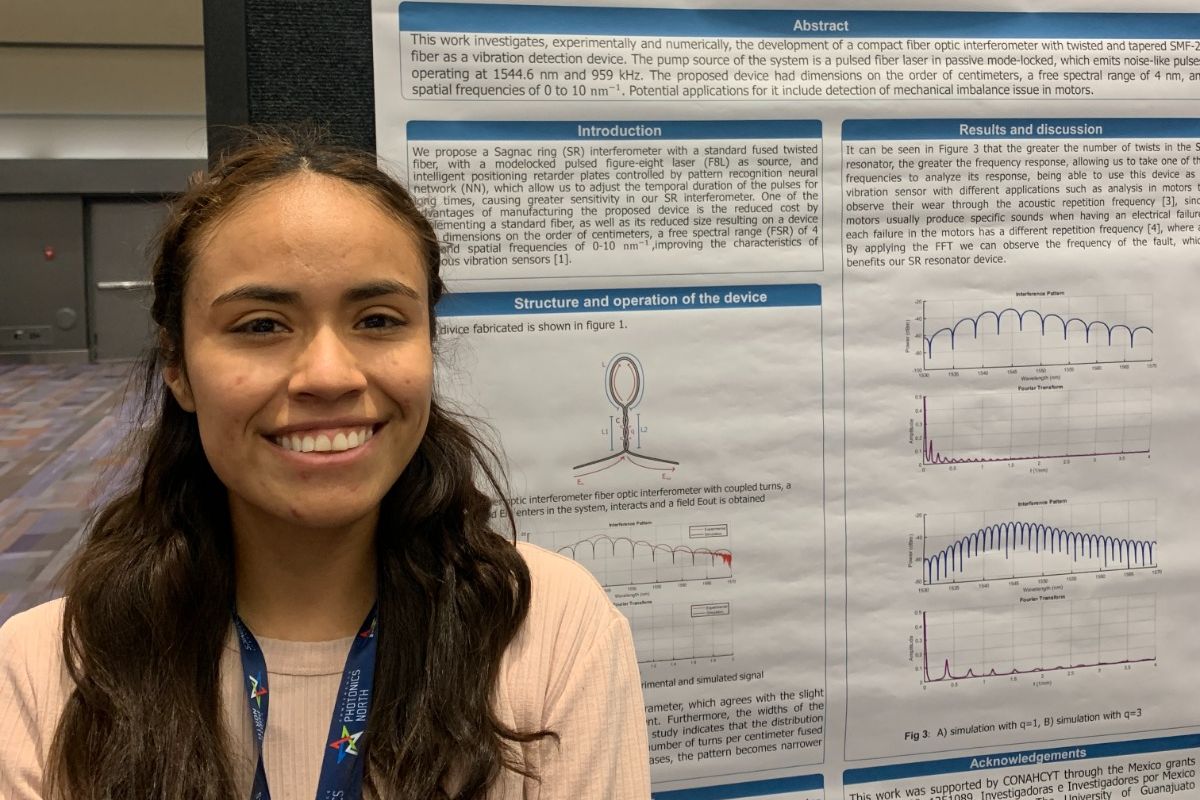
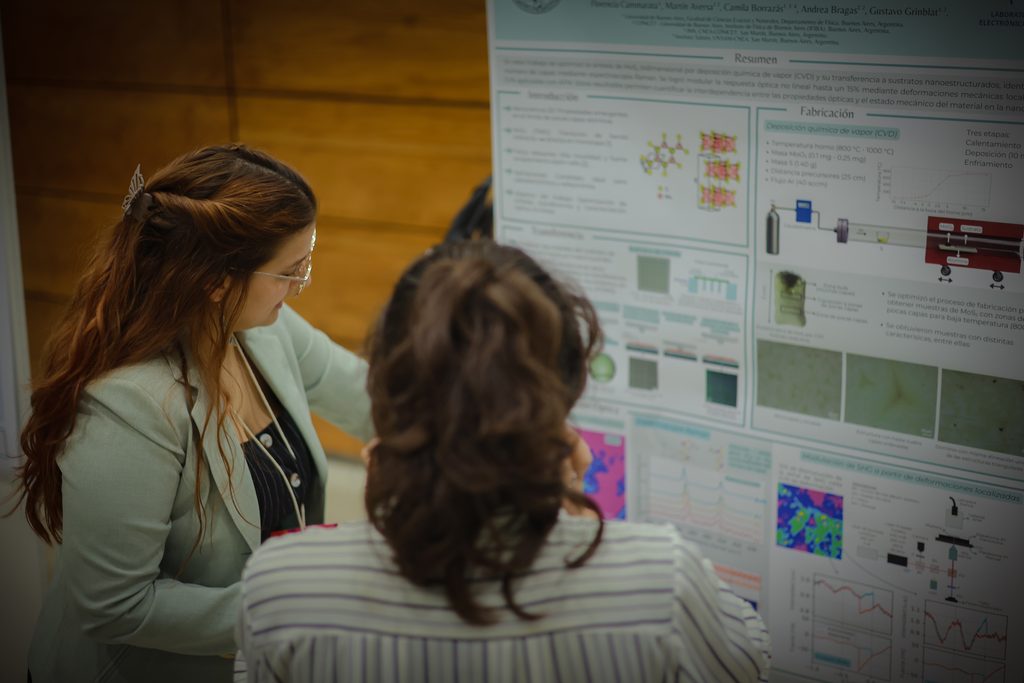
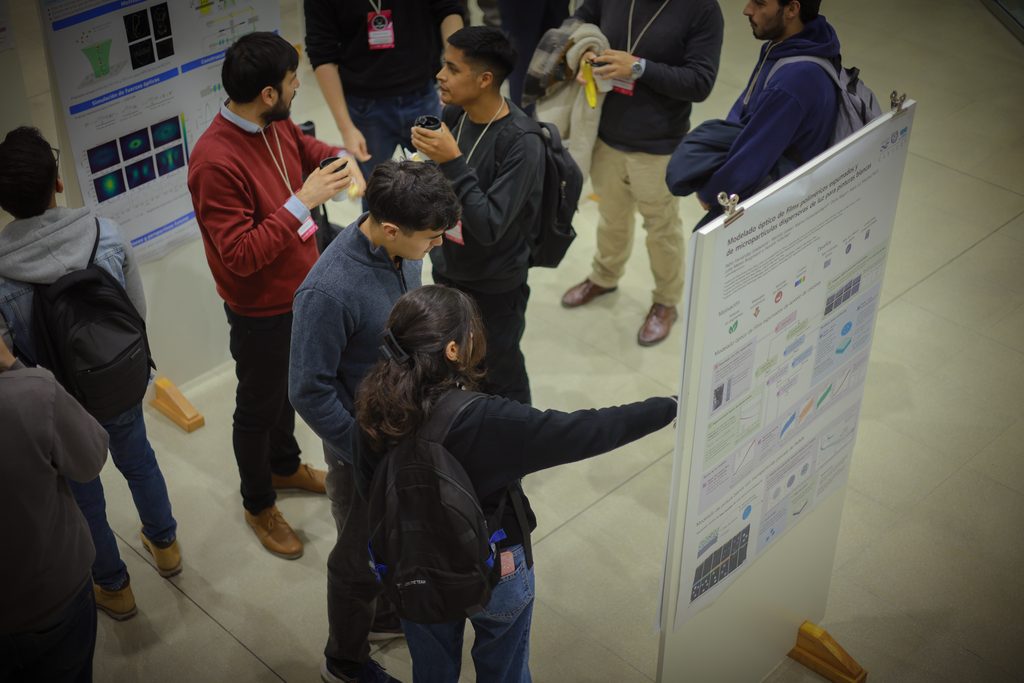
In addition to their organizational contributions, two chapter members presented posters showcasing their current research, adding to the scientific exchange and demonstrating the chapter’s active engagement in the student research community.
The event increased the visibility of the IEEE Photonics Society UBA Student Branch Chapter while creating opportunities for its members to connect with students, researchers, and professionals from different institutions and regions. These interactions reinforced the value of student chapter participation in activities that bridge scientific research, professional development, and industry engagement.
Inspiring New Perspectives and Career Opportunities
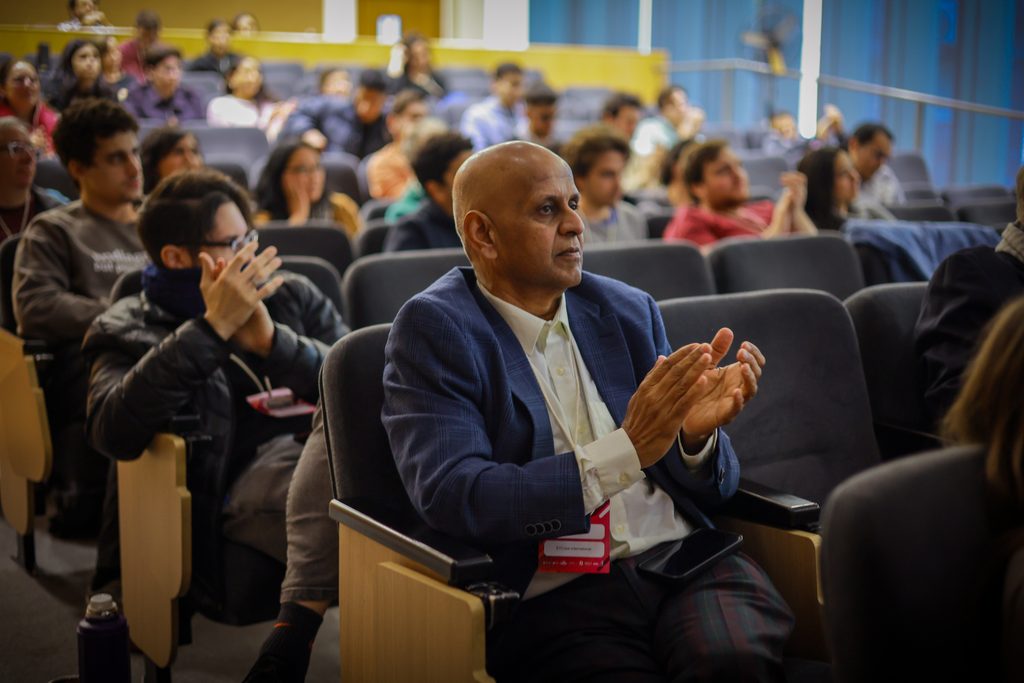
Participant feedback was overwhelmingly positive, particularly regarding the event’s emphasis on entrepreneurship, technological innovation, and the role of photonics in industry. Students valued the opportunity to explore subjects not always covered in their academic programs and to hear directly from professionals working across academia and industry.
One participant described the workshop as “a very good introduction to an area I did not know much about,” highlighting the value of learning about entrepreneurship and the current state of technological innovation in Argentina. The participant also praised the final day’s presentations, noting that speakers with direct experience in these fields offered distinct perspectives that enriched the discussions.
Another attendee emphasized the value of participating in this type of event for the first time, particularly the opportunity to interact with researchers and professionals from both industry and academia and to build connections through informal networking.
Discussions also encouraged students to reflect on the relationship between science, society, and technology transfer, prompting new questions about their academic and professional futures. Informal conversations continued during breaks, giving attendees additional opportunities to exchange ideas with speakers and fellow participants.
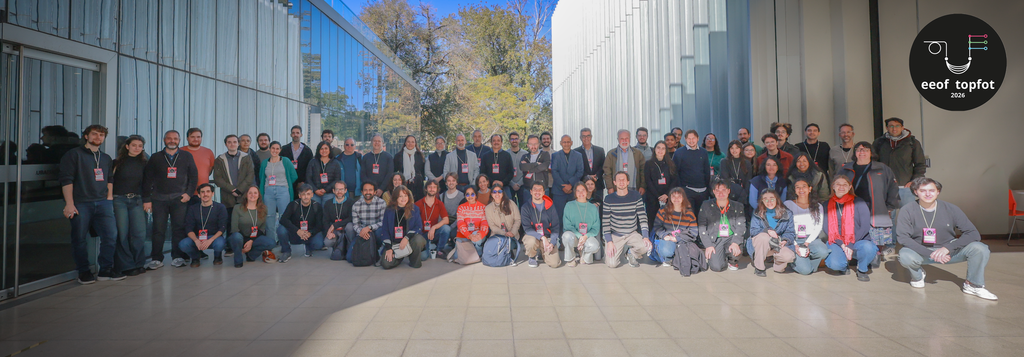
A Model for Student-Led Engagement
The success of TOPFOT and EEOF 2026 demonstrated the value of combining a clear thematic focus with diverse, interactive activities. Technical presentations, panel discussions, mentoring, poster sessions, and pitch competitions allowed participants to explore photonics innovation from multiple perspectives while encouraging active student involvement.
Collaboration among universities, professional societies, industry partners, and entrepreneurship organizations further expanded the event’s reach and strengthened connections across the optics and photonics ecosystem.
Through its volunteers’ contributions and research presentations, the IEEE Photonics Society UBA Student Branch Chapter helped support an initiative that connected emerging talent with the broader photonics community. The event highlighted how student chapters can create meaningful opportunities for collaboration, professional development, and innovation while helping prepare the next generation of photonics professionals to translate scientific ideas into practical solutions.
Learn more about this event and chapter here.